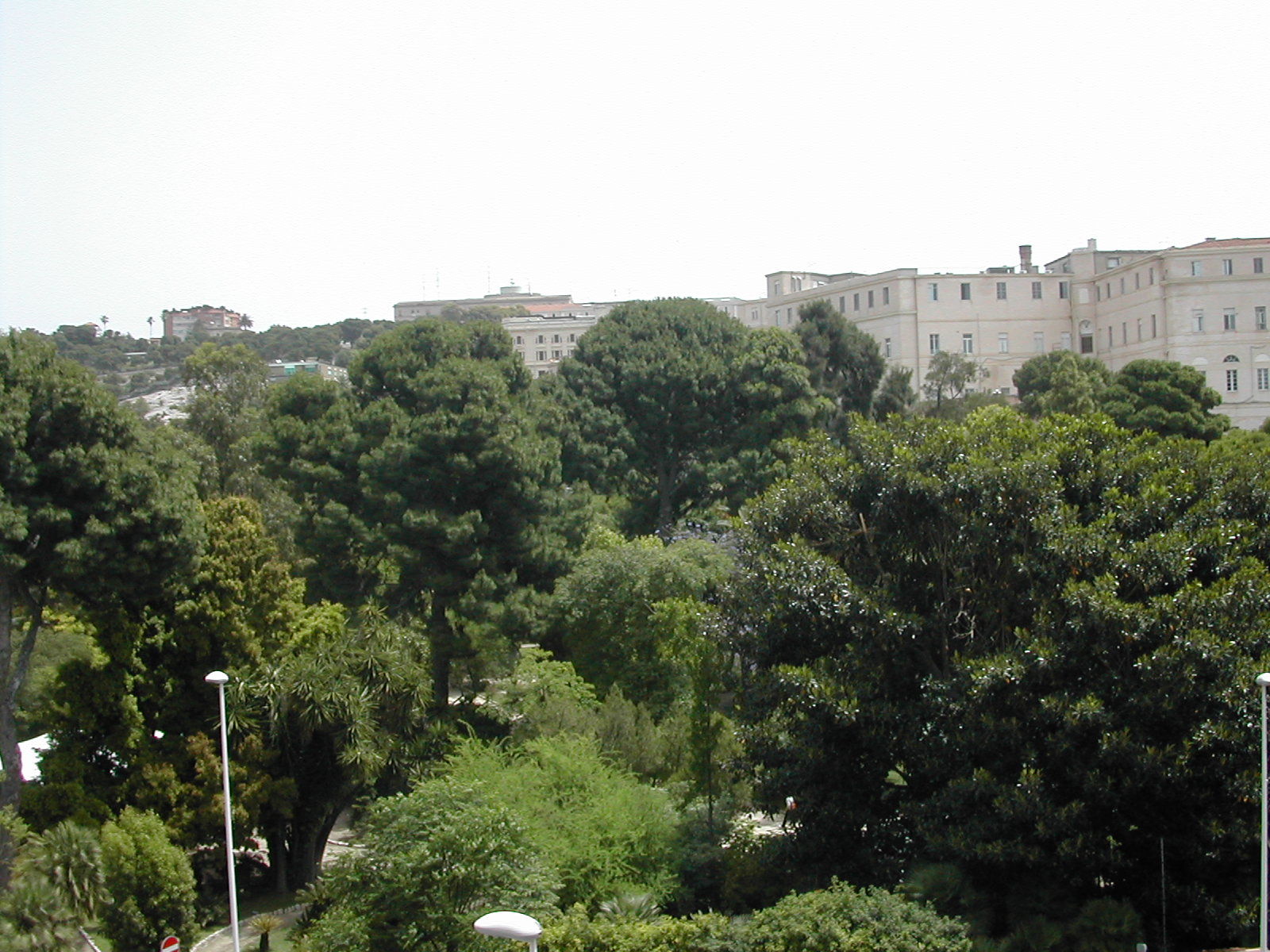

This is a different kind of cultural stop from a museum. Come for the contrast between Sardinian vegetation and plants from other parts of the world, with the archaeological remains adding another layer to the site. If ancient objects and a broad account of Sardinian history are your priority, the National Archaeological Museum is the more focused choice.
What makes the garden distinctive?
Inaugurated in 1866 under Professor Patrizio Gennari, the garden is both a collection of plants and a place with a much older history. Cagliari’s municipal tourism page describes around 2,000 plant species, predominantly of Mediterranean origin, alongside substantial succulent and tropical collections.
Sources: Garden history and collections
The most useful way to approach a visit is to think in contrasts. The Mediterranean section connects the garden to Sardinia’s vegetation while also introducing plants from other regions. Succulents invite a closer look at unfamiliar shapes and families. The tropical section adds a third category rather than making the garden solely a survey of local flora.
The archaeological layer is different again: cisterns and wells are evidence of Roman-era water infrastructure on the site. They make the garden more than a collection of plants, although the information available does not establish which individual structures can be entered or inspected closely.
The Mediterranean collection: Sardinia and beyond
For a first-time visitor, the Mediterranean section offers a starting point. According to the city’s description, it represents three vegetation zones of Sardinia and also includes species from Australia, California and Chile. That makes it an opportunity to consider the island’s plants alongside those of much more distant regions.
Sources: Mediterranean collection
You do not need botanical expertise to enjoy this part of the garden. Look for differences in leaf shape, size and growth form, and use any available plant information to see where a specimen comes from. Rather than trying to remember every name, choose a few plants to compare: what looks familiar, and what is noticeably different? A comparison between a Sardinian plant and one identified as coming from another region can make the collection’s international scope easier to appreciate.
The Sardinian component gives this section a particular connection to the destination. It can be a way to add a nature-focused dimension to a city break without turning the day into an excursion outside Cagliari. The garden is a curated collection, however, not a substitute for seeing the island’s landscapes in their natural settings.
Succulents and tropical plants
The succulent collection includes plants grown both outdoors and in a greenhouse. The municipal description names Echinocereus, Euphorbia, Lampranthus, Mammillaria and Opuntia among the genera represented, and says the collection is divided approximately equally between plants of African and American origin.
Sources: Succulent collection
For a non-specialist, the names are less important than the variety they suggest. Compare the forms of different plants rather than treating all succulents as one kind of cactus. Euphorbia and Opuntia, for example, belong to different groups; the collection offers a chance to notice those differences in a single visit.
The city also identifies a separate tropical section and a palm collection. Its description notes an area of around 4,000 square metres dedicated to palms and a group of Euphorbia canariensis. Treat these as reasons to look beyond the Mediterranean section, not as a guarantee that every named plant or area will be displayed in the same way on your visit.
Sources: Tropical plants and palm collection
Roman cisterns and wells
The garden site has archaeological importance as well as botanical interest. Cagliari’s tourism office specifically mentions cisterns and wells dating from the Roman period. A cistern is a structure for storing water; a well provides access to water below ground. Their presence points to an earlier use of the site than the garden founded in the 19th century.
Sources: Roman remains at the garden
That contrast is the appeal for a visitor interested in both subjects: the plants are the main reason to explore the garden, while the remains offer a glimpse of an older layer of Cagliari. Do not plan the visit on the assumption that the cisterns or wells have open interiors or that a particular archaeological route is available. Check current visitor information if close access is essential to your plans.
How to fit the garden into a Cagliari stay
Start with the address, Viale Sant’Ignazio da Laconi 9–11, and check current opening information before choosing the day. The city’s garden page lists seasonal hours and contact details; because arrangements can change, use the current listing rather than relying on a fixed schedule in an itinerary.
For a short stay, give the garden a clear role instead of treating it as a quick extra between several commitments. If plants are the draw, make the three collection types your priorities and leave room to compare them. If archaeology is the main interest, consider the Roman remains a complement to a museum visit rather than expecting a complete account of the ancient city here.
The garden can also balance a day devoted to historic streets or museum collections. Keep the combination flexible: choose the garden first if a plant-focused visit matters most, or protect your museum time first if you are coming chiefly for Sardinian archaeology. Check each attraction’s current arrangements separately.
If you are staying without a car, plan the approach to the garden’s actual address rather than relying on a general neighbourhood name. The car-free Cagliari guide can help with the wider stay; for this particular visit, confirm the route and final approach that suit your starting point and mobility needs.
Garden or archaeological museum?
Choose the Botanical Garden when living collections are the main attraction and you like the added interest of Roman remains. Choose the National Archaeological Museum when you want a more structured introduction to Sardinia’s ancient cultures. Its collections include Nuragic bronzes as well as material from Phoenician, Punic and Roman periods.
They can also work as complementary choices. The museum’s objects explain cultures through excavated material; the garden brings plants and traces of water infrastructure into the same site. You do not need to see both to make either worthwhile, so let your interests and the time available decide.
Frequently asked questions
Where is Cagliari Botanical Garden?
The Orto Botanico is at Viale Sant’Ignazio da Laconi 9–11 in Cagliari. Check the current visitor listing before travelling.
What plants can I see at the garden?
The garden has three main sections: Mediterranean, succulent and tropical plants. Its Mediterranean collection includes Sardinian vegetation and species from Australia, California and Chile; the succulent collection includes plants of African and American origin.
Are there Roman remains in the Botanical Garden?
Yes. The city’s tourism office identifies Roman-era cisterns and wells on the site. It does not establish that visitors can enter the structures.
Should I choose the garden or the National Archaeological Museum?
Choose the garden for plant collections with an archaeological dimension. Choose the museum for ancient Sardinian collections, including Nuragic bronzes and material from later cultures. They can also complement each other if your schedule allows.