At a glance

Six useful bases, each with a different daily rhythm

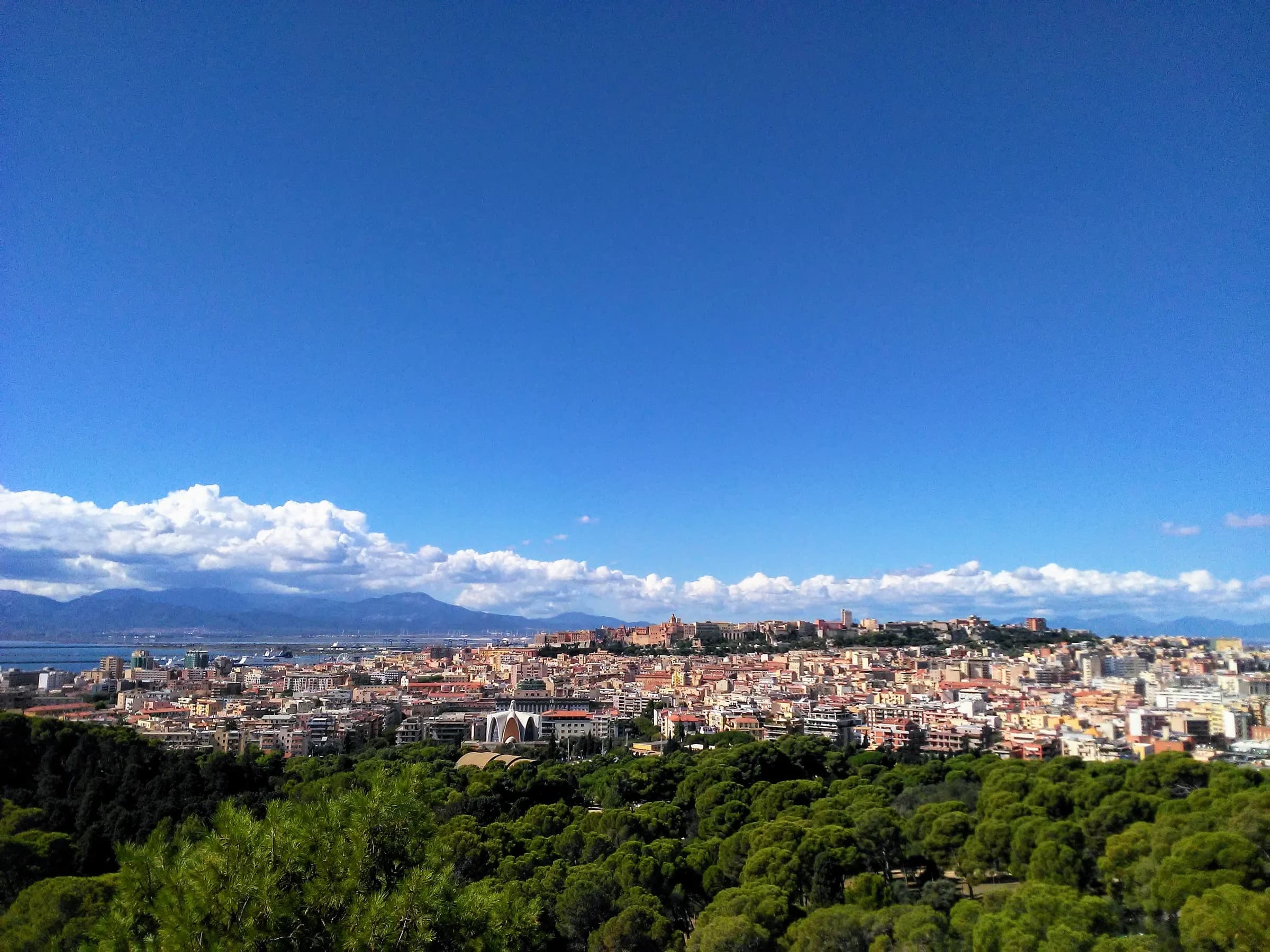
Castello, Stampace, Marina and Villanova form the historic centre. Castello is the elevated fortified quarter; Marina lies below it beside Via Roma and the port; Stampace sits below the western side of the hill; Villanova extends east through lower-rise historic streets.

Bonaria shifts the base towards the south-east hill, the sanctuary and the Su Siccu waterfront. Poetto moves the stay out to the urban beach. These are useful geographic choices, not claims about hotel quality, safety, nightlife or price.

Match the area to repeated journeys and trade-offs

Decision pointHow to use it
1First-time visit with rail arrival and city walking: shortlist Marina and Stampace. Marina simplifies the station and port side; Stampace keeps the historic centre close while avoiding a base at the top of Castello.
2Historic atmosphere above all: compare Castello with Stampace. Castello gives the fortified hilltop setting; Stampace gives a lower historic base with the Botanical Garden and Roman Amphitheatre in its district.
3Without a car: begin with Marina or Stampace, then test the address against Piazza Matteotti, the airport rail arrival and the CTM journeys you expect to repeat.
4Eastern old-town routine: choose Villanova when San Domenico, EXMA and the streets east of Castello fit your day better than the port side.
5Su Siccu and south-east city: consider Bonaria when the sanctuary, waterfront or work around that side is a repeated destination. Check the hill position of the exact address.
6Beach-led stay: choose Poetto only when repeated beach access outweighs repeated travel back to the historic centre. It is a change of base strategy, not simply another central district.

Castello: choose the hill intentionally

Castello is the option when the fortified, elevated historic district is part of the experience you want every day. Its setting includes walls, gates and civic or religious landmarks, while the hill turns the final approach into a meaningful practical factor.

It suits travellers who accept a longer or steeper arrival in exchange for that setting. With luggage or limited mobility, inspect the final route to the accommodation rather than assuming a central postcode means an easy walk.

Marina: choose the lower city connection

Marina is bounded by Via Roma on the port side and belongs to Cagliari’s historic centre. Its lower position and relationship with the station side make it the more direct arrival option when compared specifically with Castello.

This practical geography does not prove that every Marina address is quiet, step-free or close to a preferred attraction. Use the neighbourhood to narrow the search, then evaluate the street and entrance as the final booking decision.

Villanova: an eastern historic-quarter base

Villanova is one of the four historic districts, east of Castello. Its useful references include San Domenico, Via San Saturnino and EXMA; these names make the area easier to place than a generic “residential” label.

Shortlist it when your daily map leans east and you still want to walk into the centre. Check the exact slope and distance to the stops you need; the district name alone cannot settle accessibility.

Poetto: let the beach set the routine

Poetto makes sense as a base when regular beach time matters more than walking out into the historic centre. The beach is documented as sandy, with shallow water and services, and the urban network connects it with central Cagliari on the studied service date.

The trade-off is repeated travel for central-city plans. Choose the exact Poetto address and entrance carefully because the shore spans the Cagliari and Quartu coast. A place name alone is too broad for daily routing.

Arrival should influence the shortlist

  1. The airport operator reports a short train ride to Cagliari, but the station is only the handover point. Marina has the simpler station relationship in the current comparison, while Castello adds an elevated final approach. Poetto and Villanova require their own address-level continuation.

  2. With luggage, compare the complete chain from terminal to entrance. A taxi for arrival can coexist with a mostly walking or public-transport stay. Do not choose the whole holiday’s transport mode from one awkward first journey.

Traveller profiles that change the answer

For a short first visit centred on historic streets, compare Castello and Marina directly. For travellers avoiding climbs, begin with Marina or another lower-city address. For a beach-led stay, investigate Poetto. For a different residential setting, consider Villanova within the limits of the verified information.

Families, couples and solo travellers still need to test the exact property. The area can explain geography and likely journey patterns, but it cannot verify room layout, building access, noise, facilities or service quality.

How to evaluate the exact address

Map the entrance, not only the accommodation marker. Check the route from Cagliari station with luggage, the walk to the nearest useful stop, the slope and steps, and the journey to the place you expect to visit most often.

For lift access, stairs, reception arrangements, parking and room features, check the individual property and its latest booking information.

Reduce six areas to two before comparing rooms

For most first-time, car-free stays, start with Marina and Stampace. Keep Marina when station-side arrival and lower-city movement dominate; keep Stampace when central historic walking matters more.

Replace one of those two only for a clear reason: Castello for the hilltop setting, Villanova for the eastern historic quarter, Bonaria for repeated south-east journeys, or Poetto for a beach-led routine. Then test the actual door against arrival, slopes and the routes you will use every day.

Stampace: central history below the hill

Stampace sits at the foot of Castello and belongs to the historic centre. The Botanical Garden and Roman Amphitheatre are practical map references, while the lower position can simplify a stay that still includes frequent old-town walking.

Choose Stampace when you want a central base with quick access towards Piazza Yenne and the station side, but inspect the exact street: gradients and the last few minutes to the door still vary.

Bonaria: the south-east city and Su Siccu side

Bonaria occupies the south-east side of Cagliari and reaches from its hill towards the sea and Su Siccu. It is useful when the sanctuary, waterfront or Fiera side will recur in the itinerary.

It is less direct for a trip built entirely around the station and western historic centre. Compare the exact address with Marina before booking, especially when you expect several rail or regional-bus departures.

Test the journeys you will repeat

Pin the accommodation door, Piazza Matteotti and the first place you expect to visit each morning. Compare the walking route and slope before deciding whether an area that looks central on a map is central for your actual stay.

Then test one evening return and one CTM journey to Poetto. This separates a pleasant district description from the transport routine you will repeat, and usually reduces the shortlist to two areas.