
What a Molentargius visit is really like
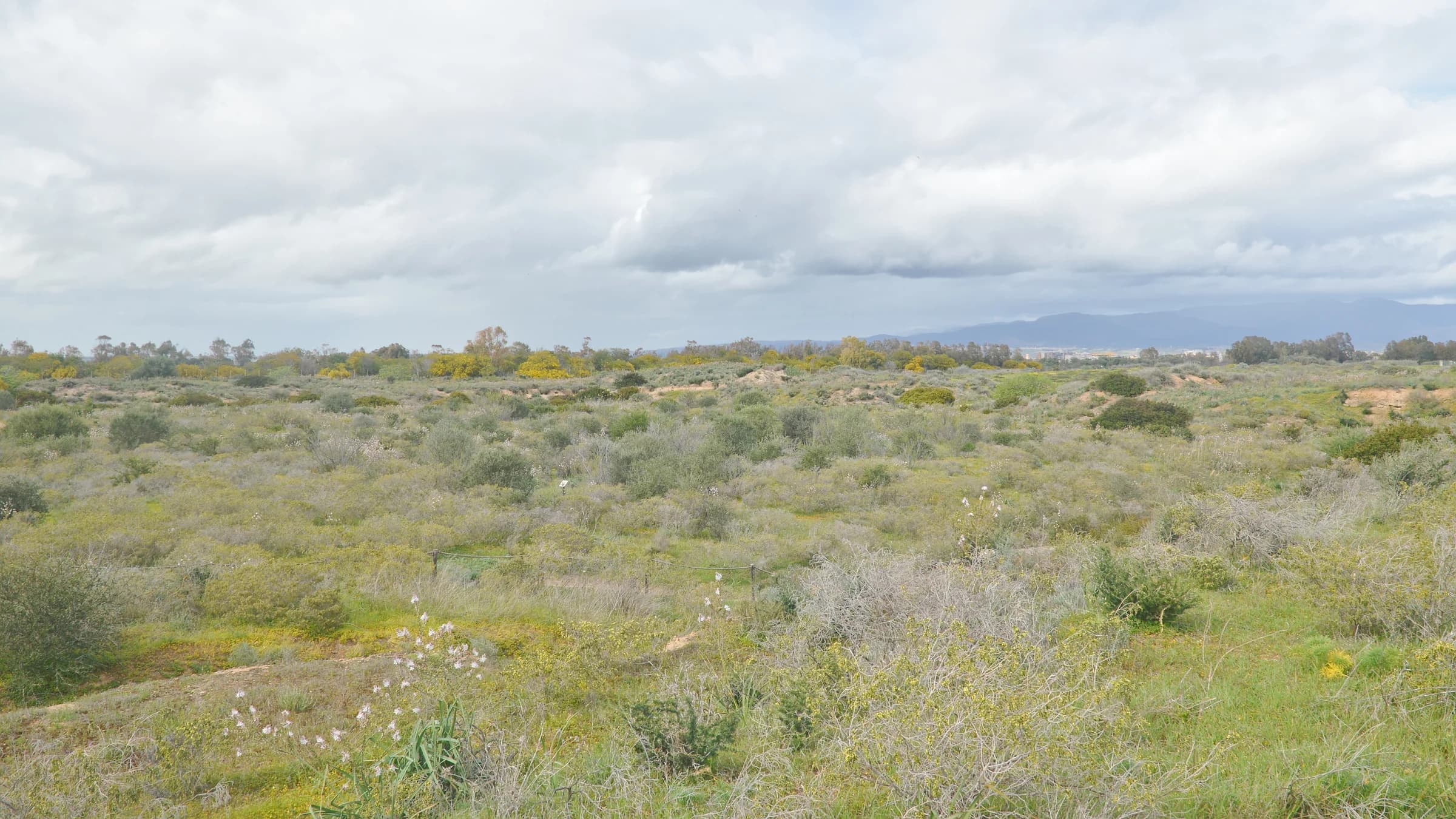
The experience is built around an outdoor wetland landscape, nature paths and the possibility of observing birdlife. It is a quieter, slower plan than a monument checklist. The value comes from moving through the habitat attentively, even when no particular species appears on cue.
General access is reported as free. Guided activities may have their own arrangements, so the guide does not attach a price to them. This distinction keeps the visit easy to understand without turning one official statement into a blanket promise about every activity.
Use Sali Scelti as the arrival point
The most useful verified reference point is the Sali Scelti building at the Via La Palma entrance on the Cagliari side of the park. Planning to that named entrance is more reliable than navigating to the park name alone, which can place you on the wrong side of a large wetland area.
Use the infopoint as the end of the arrival calculation and the start of the visit. Opening and access arrangements can change, so confirm the current entry information if the building itself is essential to your plan. The park landscape remains the destination even when a staffed service has different hours.
From central Cagliari: bus plus final walk
A verified example starts near Matteotti and uses a CTM service towards Poetto, reaching the stop opposite Campo Rossi. From that stop, the routed final walk to Via La Palma is about 0.9 kilometres and roughly 14 minutes. Waiting before the bus is additional.
The final walk is what turns a timetable result into a usable visitor journey. Keep the stop name and entrance name together when planning; neither proves the other. If the walking leg does not fit your needs, seek an alternative arrival plan rather than assuming the bus stops at the infopoint.
Walking and cycling alternatives via the waterfront
The documented pedestrian and cycle route links the port side of Cagliari with Su Siccu, Galleria del Sale and the park entrance. It can make the journey part of the outing, especially for travellers who prefer continuous movement to a bus-and-walk transfer.
The full routed walk from the station-side reference point is much longer than the final walk from the bus stop. Choose it deliberately as an urban waterfront route, not as a casual shortcut. Cycling can reduce travel time, but the available evidence here does not rate bike hire or path accessibility.
Short visit or slower half day
Set the right expectations for wildlife
Combining the park with Poetto
Access, comfort and responsible behaviour
The current evidence supports an outdoor visit and a named entrance, but it is not a complete accessibility survey. Travellers with specific mobility needs should confirm surface, gate and facility conditions for their intended route with the park.
Heat, wind and temporary access conditions can change the experience. Carry what you need for an exposed outdoor walk and use one central pre-departure check rather than scattering caution through the whole day. The park’s official channels are the right place for current operational details.